TL;DR: Halloween is one of the most dangerous nights for pedestrians, especially children, due to low visibility, heavy foot traffic, and impaired or distracted drivers. Drivers, property owners, and product manufacturers can be liable for injuries caused by negligence or unsafe conditions, and victims in California generally have 2 years to file a claim.
Highlights:
- Add reflective tape and carry a flashlight or glow stick.
- Use non-toxic face paint; avoid masks and unprescribed contacts.
- Plan a well-lit route, use sidewalks, and cross at crosswalks.
- For drivers, slow down in neighborhoods and expect kids near driveways.
- Turn headlights on early and set your phone to Do Not Disturb.
- If a crash happens, get medical care and photograph injuries and scene.
- Know California deadlines: 2 years to sue, 6 months for government claims.
Tip: Keep any damaged costume/prop and candy packaging, and when reporting to insurance, stick to observable facts and avoid guessing.
Table of Contents
Halloween is a fun time for the whole family, filled with exciting activities and opportunities to create lasting memories. From costume contests and parades to haunted houses and pumpkin carving, there’s something for everyone to enjoy. The tradition of trick-or-treating, where children visit homes to receive candy, is a cherished part of the holiday.
Unfortunately, the festive holiday comes with its fair share of risks. With more people out and about at night, the likelihood of collisions and injuries soars. Reduced visibility at night, distracted pedestrians and drivers, and the excitement of the holiday can create dangerous hazards for everyone on the road. That’s why health and safety experts continue to remind families to stay cautious while celebrating.
“Halloween is filled with fun and fright, but it doesn’t have to be scary when it comes to health and safety,” said Dr. Smith. To make the night both fun and safe, there are a few simple Halloween safety reminders for parents, children, and drivers to follow.
Costume Safety:
- Select flame-resistant costumes that fit well to prevent tripping hazards.
- Use non-toxic face paint or makeup instead of masks that may block your vision.
- Skip decorative contact lenses unless prescribed by an eye doctor.
- Add reflective tape or stickers to costumes and bags for increased visibility.
- Have kids carry glow sticks or flashlights so drivers can spot them easily.
Trick-or-Treating Safety:
- Walk in groups and stay with a trusted adult at all times.
- Stick to sidewalks and crosswalks.
- Walk, don’t run, and choose routes with well-lit homes.
- Wait until you get home before eating candy and check wrappers for allergens or tampering.
Driving Safety:
- Drive slowly in residential areas and watch for pedestrians near crosswalks and driveways.
- Turn headlights on early to help you spot trick-or-treaters.
- Put your phone on Do Not Disturb and keep your focus on the road.
Halloween should be about fun, not fear. Whether you’re driving or walking door-to-door, staying alert and cautious helps keep everyone safe.
Halloween Safety Concerns For Drivers And Trick-Or-Treating Pedestrians
You might be surprised when you hear the answer to the question, “What is the deadliest day of the year for pedestrians?” From 2011 to 2020, adult pedestrian fatalities by motor vehicles were at an all-time high on November 1. Several fatalities occurred in the early morning, perhaps due to an extended night out.
Additionally, Halloween sees the most deaths among child pedestrians. Several factors, including dark costumes, low visibility at night, and alcohol use among adults, often lead to this tragic outcome. Going out at night is dangerous on a normal day; what more during Halloween, when entire neighborhoods go out together?
Key statistics highlight how serious the danger is:
- According to the National Highway Traffic Safety Administration (NHTSA), children are three times more likely to be struck by a car on Halloween night than on any other day.
- A 2019 JAMA Pediatrics study found that child pedestrians aged 4 to 8 face the highest risk of fatal car accidents on Halloween.
- On average, Halloween results in four additional pedestrian deaths compared to other days, based on data from the National Institutes of Health (NIH).
- Safe Kids Worldwide also reports that children are more than twice as likely to be hit and killed by a car on Halloween than on any other day of the year.
These statistics emphasize the importance of taking Halloween safety seriously. The combination of dark costumes, reduced visibility, and alcohol use among adults creates a perfect storm for accidents. Both drivers and parents must remain alert and exercise extra caution during trick-or-treating hours.
Recognizing these risks can help individuals make more informed choices. Awareness and preparation can mean the difference between a safe celebration and a preventable tragedy.
In the event that you or your child sustains injuries in a traffic accident, consult with our car crash attorneys. An injury lawyer will help protect your legal rights and guide you through the claims process. Call Arash Law at (888) 488-1391 to schedule your free initial consultation with experienced personal injury attorneys.
Safety Risks At Halloween
Halloween is a night of fun and fright, but it also comes with its own set of risks. Although the festivities are delightful, several potential hazards lurk beneath the surface. Whether you are trick-or-treating, attending a Halloween party, or simply enjoying the decorations, prioritizing safety is of utmost importance.
Here are some risk factors to watch out for:
- Child Safety Risks — Halloween is predominantly a child-centric event. Many children on the streets wear dark costumes that are difficult for drivers to see. Preventing tragic accidents begins with ensuring that your whole family follows various safety measures.
- Increased Pedestrian Traffic — There is an increase in pedestrian activity during Halloween, with large groups moving from house to house. This surge increases the risk of injury, especially in neighborhoods not accustomed to heavy foot traffic.
- Impaired Judgment — There’s a possibility that alcohol or drug consumption will rise during Halloween parties and celebrations. Intoxicated drivers and pedestrians can make unpredictable decisions, increasing the likelihood of an accident.
- Costume Hazards — Costumes can restrict vision, movement, and even breathing. Kids may have difficulty spotting oncoming cars and obstacles when wearing masks. A costume or prop that is too long can also be a tripping hazard.
- Unfamiliar Environments — Families and children often search for the best treats in unfamiliar neighborhoods. Using unfamiliar routes or ignoring specific hazards can lead to unforeseen accidents.
What Drivers Can Do To Stay Alert On Halloween While Driving
All drivers must exercise reasonable care when driving and react appropriately to hazards on busy streets. On an extra-busy night like Halloween, drivers must be more cautious to avoid hitting pedestrians on the roadway.
Drivers who fail to do so can be held liable for causing a car accident. This negligence makes them legally obligated to compensate the victim for all the losses they suffer as a result of the accident.
Here are some important Halloween driving safety tips all drivers need to follow:
Slow Down
As a driver, the single most effective thing you can do to reduce your risk of causing a speeding-related accident is to slow down. This gives you more time to react to dangerous road conditions and obstructions in the roadway. It also reduces the severity of injuries sustained in an accident, which can mean the difference between life and death.
On Halloween night, many children are on the sidewalks. They are not familiar with the rules of the road. They are impulsive and excited, making them more likely to dart into the roadway unexpectedly. By slowing down, you can react quickly.
Don’t Get Distracted While Driving
Using a phone while driving is dangerous, regardless of how confident you are behind the wheel. Some drivers believe they can text and drive safely, but research shows otherwise. Distracted drivers have delayed response times and are more likely to be involved in traffic accidents.
Using a cellphone while driving is not the only distraction to avoid; there are many others. On Halloween, eye-catching costumes, flashing decorations, and groups of excited trick-or-treaters can easily divert a driver’s attention from the road. Even a glance can result in a serious crash.
Drivers must remain focused at all times. Put your phone away, keep your eyes on the road, and avoid looking at pedestrians or displays while driving through busy neighborhoods. The California Vehicle Code prohibits drivers from texting or holding a phone while operating a motor vehicle. Following this law is crucial, especially when streets are crowded with trick-or-treaters.

Don’t Drink And Drive
Many adults attend parties or visit bars to celebrate, but driving after drinking is illegal and extremely dangerous. On nights when children fill the streets in dark costumes, even a small amount of alcohol can slow your reaction time and impair your judgment, increasing the risk of a serious crash.
Before going out:
- Choose a designated driver who will remain sober throughout the night.
- Use rideshare services like Uber or Lyft for a safe ride home.
If you have been drinking, stay where you are; call a friend, order a ride, or wait until you are sober.
Drivers who choose to get behind the wheel while intoxicated put themselves and everyone around them at risk. Victims of drunk driving accidents can suffer severe, life-changing injuries that affect their health, livelihood, and families. Avoid causing someone else’s pain; make the responsible choice before you drive.

See And Be Seen
Use your headlights, even if it is not yet dark. Use your horn as necessary to get the attention of other drivers, bicyclists, or pedestrians who do not see your vehicle. Look carefully in all directions before proceeding through an intersection.
Dark costumes and masks can make it even more difficult to see pedestrians on the roadway. Use your turn signals and hazard lights to alert other drivers to your movements.
Yield To Young Pedestrians
Even if you have the right-of-way, it’s safer to give it up than risk causing a failure-to-yield accident.
Here is a quick guide to right-of-way for drivers on Halloween:
- Reduce your speed when driving through neighborhoods or near crosswalks.
- Come to a complete stop at intersections and corners, even if no one appears to be crossing.
- Wait until all children have crossed the road before proceeding.
- Watch for children exiting vehicles, as they may run across the street without looking.
- Allow extra stopping distance to give yourself more time to react.
A few seconds of patience can help prevent a tragedy and keep trick-or-treaters safe.

Don’t Pass Stopped Vehicles
On Halloween night, stopped cars often indicate someone is dropping off trick-or-treaters. Children may suddenly run out from either side of the vehicle, especially when they are excited about getting candy.
Slow down and keep a safe distance when you see a car stopped in the road. Instead of trying to go around it, stop completely and check your surroundings. Look carefully for children who may run across the street from in front of or behind the vehicle. Proceed only when you are certain the area is clear of pedestrians.

Be Careful Of Your Costume When Driving
If your costume involves loose parts or footwear that may slip off the pedals, wait until you arrive at the party to put it on. Driving more carefully is especially important if your costume involves a mask. Restricted visibility is even more dangerous on Halloween, and there is no reason to wear a mask while driving.
Teach Children To Buckle Up Every Time
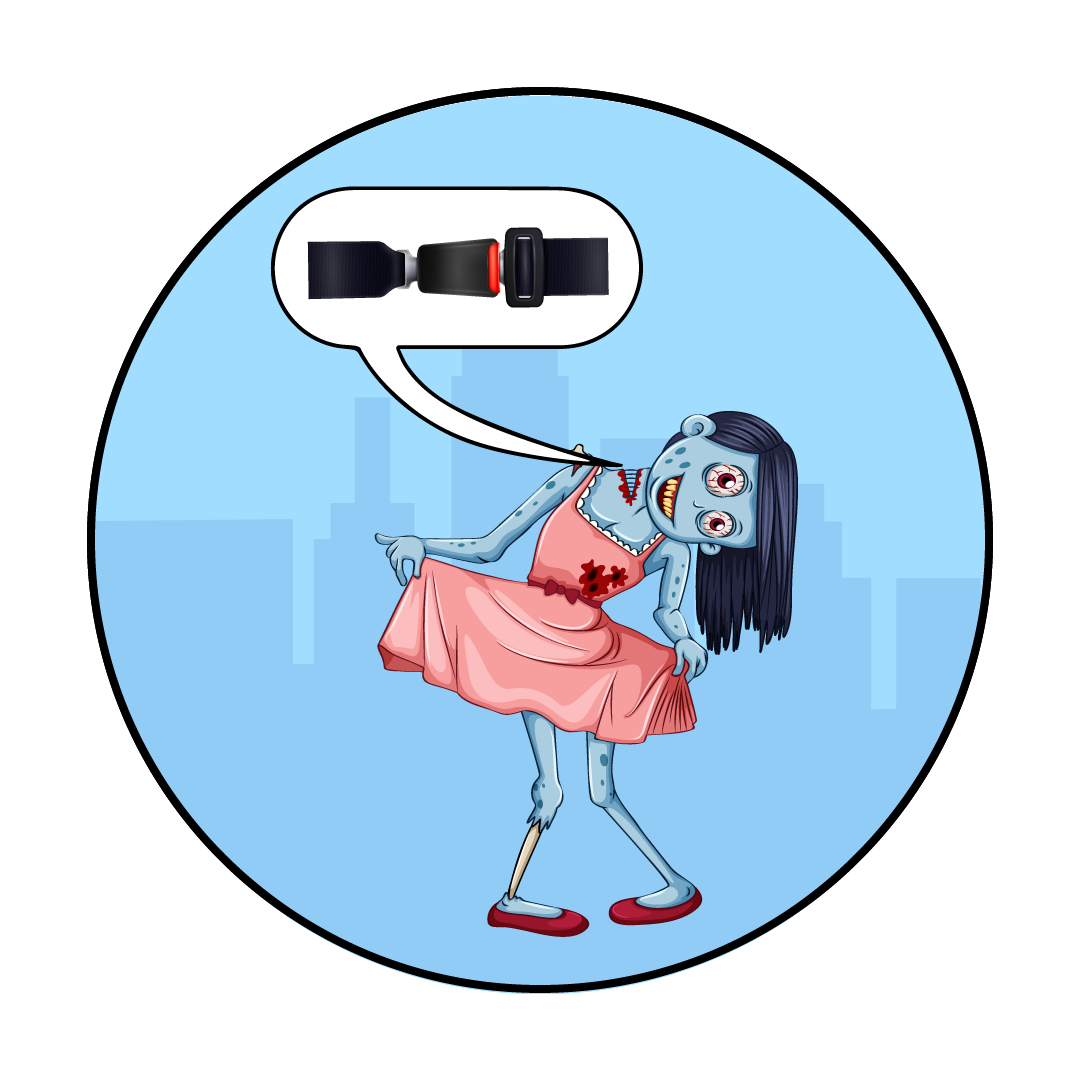
Remind your children that seatbelts save lives. Even short trips between neighborhoods can be risky on busy Halloween nights. Keep the following in mind:
- Always buckle up before the car starts moving.
- Check that seatbelts fit properly, especially over costumes that may bunch up.
- Use booster seats for younger children to keep them safely secured.
- Set an example by wearing your seatbelt every time you drive.
According to the National Highway Traffic and Safety Administration (NHTSA), seatbelts saved an estimated 14,955 lives in 2017. Making this a habit helps ensure your family stays protected, even during quick Halloween drives.

Be Careful When Backing Up
Drivers must remain alert and exercise extra caution when reversing. A few seconds of caution while backing up can help prevent a serious accident.
Here are quick safety reminders:
- Walk around your vehicle before backing up to check for children or obstacles.
- Use backup cameras, but do not rely solely on them; always look over your shoulder to ensure safety.
- Reverse slowly and keep your foot near the brake pedal.
- Turn on your headlights and hazard lights to increase your vehicle’s visibility.
- Avoid distractions and stay focused until you have safely cleared the area.
What Parents Can Do To Keep Children Safe While Trick-Or-Treating
This Halloween may be the first time your child goes trick-or-treating, or the first time your teen goes out with friends unsupervised. As a parent or guardian, you want them to have fun while staying safe. One question that often arises is, “How safe is my community?”
According to the Chamber of Commerce, several California cities in the United States are among the safest cities for trick-or-treating. The list is based on five key factors: pedestrian fatalities, violent crime, property crime, the number of registered sex offenders, and law enforcement presence. The top-ranking California cities include:
- Irvine (No. 10)
- Glendale (No. 12)
- Carlsbad (No. 18)
- Murrieta (No. 21)
- Sunnyvale (No. 22)
Even in these safer communities, accidents can still occur. A single careless driver, an unsafe costume, or poor visibility can turn a fun night into an emergency. That is why parents and children should always follow basic Halloween safety rules, no matter where they live.
Here are some important trick-or-treat safety tips for parents and children:
Be Highly Visible At All Times
The more visible your little ghosts or goblins are, the better drivers can see them. Add reflective tape or paint to the costumes for added visibility. Give your child a glow stick or flashlight to use while outside. Light-colored fabrics and other visible pieces can be worked into a costume design to help your child be seen while out on the roads.
Make Sure Your Child’s Costume Is Safe To Use
A safe costume helps children enjoy trick-or-treating without the risk of falls, visibility issues, or other hazards. Parents can check the following areas:
- Fit & Comfort:
- Choose a costume that is the right length to prevent tripping.
- Make sure shoes fit well and are comfortable for walking.
- Avoid heavy or oversized accessories that could cause your child to lose balance.
- Safety & Materials:
- Check that all fabrics, wigs, and accessories are labeled “flame resistant.”
- Avoid sharp props such as swords or sticks that could cause injury if dropped or tripped over.
- Make sure hats and headpieces fit snugly and do not slide over the eyes.
- Use decorative contact lenses only with a doctor’s prescription to avoid eye damage.
Teach Children How To Cross Streets Safely
The American Academy of Pediatrics reports that about 62% of child pedestrian traffic fatalities occurred mid-block rather than due to intersection accidents. To avoid such accidents, parents can teach their children to:
- Cross only at corners or marked crosswalks. Always obey traffic signals and look left, right, and left again before stepping off the curb.
- Avoid crossing between parked cars, alleys, or driveways. Drivers may not see children emerging from between vehicles.
- Walk, don’t run, across the street. Encourage kids to make eye contact with drivers before crossing.
- Stay on sidewalks whenever possible. If there are none, walk on the left side of the road facing traffic.
- Cross as a group. Children are more visible when walking together, and adult supervision helps ensure everyone follows safety rules.
Following these simple habits can help reduce the risk of pedestrian accidents and keep everyone safer on Halloween night.
Accompany Younger Children On Neighborhood Rounds
Studies show that the risk of pedestrian deaths is much higher between 5 PM and 11:59 PM on Halloween than on other nights. More people are outside, and visibility is lower. Excited children may cross the street without looking, increasing the likelihood of motor vehicle accidents.
Go with your children while they trick-or-treat. If they want to walk with friends, stay close enough to watch them but far enough to give them space. If trick-or-treating starts after dark in your area, ask your local community or park district about safe, well-lit Halloween events.
Plan Your Child’s Route Ahead Of Time
Stick to familiar, well-lit neighborhoods and avoid areas with heavy traffic or poor visibility. Walk the route in advance to identify any blind corners, uneven sidewalks, or busy intersections that could pose risks.
Most child pedestrian deaths occur in residential neighborhoods where drivers do not expect children to be crossing the street. In 2019, a couple and their 3-year-old child were killed by a drunk driver while trick-or-treating near Los Cerritos Park. This incident illustrates the unpredictability of Halloween night.
If your children are trick-or-treating on their own:
- Review their route together.
- Set a clear curfew.
- Ensure they carry a flashlight or a glow stick.
- Add reflective tape to their costumes or bags so drivers can see them.
Consider community Halloween programs as a safer alternative. Many local groups host “trunk-or-treat” events, indoor festivals, and haunted houses in designated areas. These events keep children away from busy streets while allowing them to enjoy the fun under adult supervision and controlled conditions.
Be Sure A Fully Charged Phone Is Available
Children should always be able to call for help while trick-or-treating. If you are accompanying younger children, be sure your phone is charged and has a signal before heading out. If older children are trick-or-treating on their own, be sure they have more than one phone available in their group. Be sure your child knows how to use the phone to call either you or 911 in the event of an emergency.
Watch Out For Fire Hazards
Halloween decorations often include open flames and heat sources that can quickly cause accidents if not handled carefully. Both parents and children should remain alert around these fire risks:
Common fire hazards:
- Candles inside jack-o’-lanterns, luminaries, or along pathways.
- Fire pits or bonfires used for warmth or roasting marshmallows.
- Decorations near open flames, such as hay, paper, or fabric.
- Flammable costumes made from materials like nylon or polyester.
To stay safe:
- Choose flame-resistant costumes, wigs, and accessories.
- Keep decorations and costumes away from candles and open flames to prevent fires.
- Use flashlights or LED flameless candles instead of real candles.
- Teach children to stop, drop, and roll if their costume catches fire.
- Supervise children around fire pits and outdoor heaters.
Remind Kids To Avoid Distracted Walking
Teach children to stay alert while walking. They should avoid using phones, texting, or wearing headphones that block outside sounds. Encourage them to keep their eyes on their surroundings and watch for cars, driveways, and crosswalks. Staying focused helps prevent accidents and keeps trick-or-treating safe and enjoyable.
Keep Your Dog Indoors
This step is critical to add to your “how to prepare for Halloween” list. When repeated buzzing triggers their protective instinct, even the sweetest dogs may experience stress and become aggressive. Prevent dog bites and attacks by keeping them out of the way. Put them in a separate room or a comfortable crate. In addition to keeping the kids safe, you’ll also keep your dog safe.
Check Your Kid’s Candy
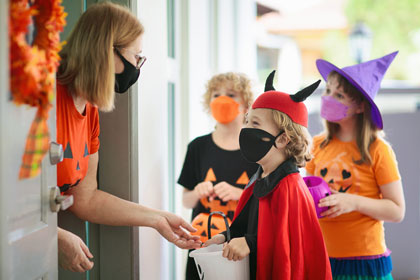
While most Halloween treats are safe, a few products have raised serious safety concerns in previous years. The Cocco Candy Rolling Candy was recalled after the wrongful death of a 7-year-old child linked to choking. The Slime Licker Sour Rolling Liquid Candy was also recalled due to a potential choking hazard.
Parents should also be aware of common choking hazards hidden in Halloween candy. These include small, hard, or round treats that can easily block a child’s airway if swallowed too quickly.
Aside from recalled candies, here are other potential risks to watch for:
- Tampered or Unsealed Candy — Discard anything that appears opened or improperly wrapped.
- Food Allergies — Some candies do not clearly list ingredients and may cause allergic reactions.
- Spoiled or Expired Treats — Avoid candy that appears old, sticky, or has an unusual texture.
- Homemade Items — Unless you know and trust the person who made them, it is safer to discard them.
To keep your child safe while enjoying treats:
- Have them sit while eating, rather than walking or running.
- Encourage small bites and thorough chewing to prevent choking.
- Remind them not to talk or laugh with food in their mouth.
- Stay nearby to supervise younger children as they eat.
Halloween Safety Tips For Party Hosts
If you’re planning to host a Halloween party, take steps to keep your guests safe from the moment they arrive until they head home. A responsible host plans ahead and makes sure everyone can enjoy the celebration without unnecessary risks.
- Never serve alcohol to minors. It is unsafe and illegal.
- Offer non-alcoholic drink options for designated drivers and guests who do not drink.
- Collect car keys from anyone who plans to drink or appears intoxicated.
- Arrange safe transportation, such as rideshares or taxis, and overnight accommodations for guests who are unable to drive.
- If you remain sober, consider driving guests home yourself to ensure they arrive safely.
Hosting a party also means your home will likely have extra foot traffic from trick-or-treaters. To keep everyone safe:
- Remove tripping hazards such as garden hoses, toys, or bikes from porches and yards.
- Sweep away wet leaves to prevent slips and falls.
- Check and replace outdoor light bulbs so visitors can see clearly.
- Secure pets in another room to avoid accidental bites or scares.
These small precautions help prevent accidents and make your home safer for both guests and trick-or-treaters.
Common Accidents During Halloween
When you think of Halloween, you probably picture children trick-or-treating and families enjoying the night together. However, with more people walking in dark costumes and crossing busy streets, the risk of accidents increases.
Here are some of the common accidents that happen during Halloween:
Pedestrian Accidents
Halloween night brings heavy foot traffic, especially in busy areas like Los Angeles’ Fairfax District, Downtown Sacramento, and San Diego’s Gaslamp Quarter. Streets fill with trick-or-treaters wearing dark costumes, making it difficult for drivers to see them. Many accidents occur when drivers are distracted, speeding, or under the influence.
Under California law, victims may seek compensation for medical bills, lost wages, and other damages. Car accident lawyers, who also represent pedestrians, can review your case and explain your legal options.
Slip-And-Fall Accidents
Some homes often have dim lights, cluttered walkways, or wet surfaces from spilled drinks and fallen leaves. Long costumes and masks can also cause trips and falls. Homeowners and event hosts are responsible for maintaining their property in a reasonably safe condition for their guests. This way, we can avoid slip-and-fall accidents.
If you or your child slips because someone failed to clean up or secure decorations, you may have a premises liability claim. Injury lawyers can assess liability and determine the types of damages that may be available.
Defective Costumes & Decorations
A defective costume or mask can cause injuries if it is poorly designed or made from unsafe materials. Costumes made from nylon, polyester, or thin cotton can easily catch fire from candles or jack-o’-lanterns, leading to serious burn injuries. Electrical decorations with damaged wires can also spark or short-circuit, resulting in electric shocks or fires.
Under California product liability law, manufacturers and retailers may be held liable for selling unsafe or defective products. Lawyers handling injury cases can help gather evidence showing how the defect caused your injury, such as product testing results, recall notices, or manufacturing records.
Costumes made from nylon, polyester, or thin cotton can easily catch fire from candles or jack-o’-lanterns. Victims may sustain if this occurs. Electrical decorations with damaged wires can also spark or cause a short circuit, leading to electric shocks.
Pumpkin Carving Accidents
During the Halloween season, pumpkin carving is a popular activity enjoyed by many individuals and families. However, you should be aware of the potential risks associated with this seemingly harmless activity. The sharp tools used to carve pumpkins, if not utilized with care, can cause serious accidents that land you or your loved one in the emergency room. Select the right equipment, specifically designed for pumpkin carving, and use it with care.
Accidents In Events And Attractions
Haunted houses, mazes, and Halloween events can be thrilling, but they also pose risks when safety is ignored. Poor lighting, uneven floors, and loose props can cause guests to trip or fall. Overcrowded spaces and sudden jump scares from performers can also trigger panic or collisions.
When organizers fail to fix these hazards or provide proper supervision, accidents are more likely to happen. In such cases, questions often arise about liability for injuries that occur in a haunted house. Under California premises liability law, event organizers and property owners may be held responsible if unsafe conditions or negligent actions result in harm.
Inadequate Security
Since Halloween activities commonly take place at night, additional safety measures are required to ensure the safety of large groups of people. Negligent security refers to a property owner or occupier’s failure to provide adequate security measures to ensure the safety of visitors and occupants. This usually occurs due to:
- Inadequate lighting.
- Broken locks.
- Unsecured doors.
- Absence of security personnel.
When a crime happens on Halloween due to negligent security, injured victims can seek compensation for their injuries through a personal injury case. Negligent security attorneys can build a case backed by evidence to prove the property owner’s failure to protect guests.
Common Injuries Sustained During Halloween
In the United States, the Consumer Product Safety Commission (CPSC) reports that approximately 3,200 people visit emergency rooms each year due to Halloween-related injuries. Injured individuals were predominantly adults; 46% were under the age of 18, and 10% were children under the age of six.
| Type of Injury | How It Commonly Happens on Halloween |
|---|---|
| Slip-and-Fall Injuries | While setting up decorations, walking on wet leaves, navigating cluttered porches, or walking on dark driveways while trick-or-treating. |
| Cuts & Lacerations | From pumpkin carving accidents or handling sharp tools and decorations. |
| Ingestion-Related Injuries | When children swallow small toys, unwrapped items, or non-edible decorations mistaken for candy. |
| Allergic Reactions & Skin Rashes | From costume fabrics, latex masks, or face paints containing allergens or harsh chemicals. |
| Burns | Caused by flammable costumes or decorations placed too close to open flames from candles or jack-o’-lanterns. |
| Bruises & Fractures | From tripping in crowded parties or stumbling over outdoor decorations. |
| Choking | Common among young children who eat hard candies or oversized treats too quickly. |
With more parties, decorations, and people walking at night, Halloween often sees a rise in impaired or distracted driving accidents. Both drivers and pedestrians must remain alert and cautious to keep celebrations safe for everyone.
Who Can Be Held Responsible For Halloween-Related Injuries?
When injuries occur, determining legal responsibility often depends on the circumstances surrounding the incident. Liability often depends on whether someone failed to exercise reasonable care or created unsafe conditions that caused harm.
The following parties may be held liable for Halloween-related injuries:
- Event Hosts — A host may be responsible if they serve alcohol to an underage guest who later causes an accident. They also have a duty to maintain safe conditions during parties and events held on their property.
- Property Owners — Homeowners, tenants, and landlords must ensure that walkways, stairs, and decorations are safe for visitors. This responsibility also applies to apartment accidents, where poorly maintained common areas or unsafe conditions can lead to injuries. If poor lighting, unsafe decorations, or wet surfaces cause harm, the property owner or occupier may be liable under California premises liability law.
- Business — Under California’s Dram Shop Laws, a business may face liability if it serves alcohol to someone underage or a visibly intoxicated minor who later causes injuries to others.
- Drivers — Motorists who drive under the influence, speed, or ignore traffic laws on Halloween night can be held accountable for the accident they cause.
- Manufacturers & Retailers — A poorly designed costume may cause breathing problems, skin irritation, or vision issues that can lead to incidents. Contaminated candy or unsafe toys included with treats can cause choking or illness. A product liability injury lawyer can review the available evidence to determine whether the manufacturer, distributor, or store owner may be legally responsible for selling unsafe items.
Skilled personal injury lawyers can review your case and help determine liability. They may use evidence such as surveillance footage, accident reports, witness statements, product testing results, or maintenance records to support your claim.
How To Establish Liability In A Halloween-Related Accident
After a Halloween accident, it’s important to know who is legally responsible. Liability depends on the cause of the accident and the circumstances surrounding the injury.
The common legal principles used to establish liability in Halloween-related accidents are:
-
Negligence — Negligence is the common basis of most personal injury cases. It occurs when someone fails to use reasonable care and their actions cause harm to another person.
To prove negligence, you must show that:
- The defendant had a duty to exercise reasonable care and caution.
- That defendant breached his duty of care.
- The breach was the direct cause of your injury.
- You sustained actual damages, such as medical bills or lost wages.
A skilled injury lawyer can help gather evidence, such as photos, witness statements, and medical records. This proof can help establish these elements and link the at-fault party’s carelessness to your injuries.
- Strict Liability — In some cases, liability applies even if the person did not act negligently. This principle is known as strict liability.
- Dog Bites — California’s strict liability law states that a dog owner is responsible for injuries their dog causes, even if the dog has never shown aggression before.
- Defective Products — Manufacturers, distributors, and retailers may also be strictly liable if a defective costume, toy, or decoration causes harm. You must show that the product was faulty, you used it as intended, and the defect directly caused your injury.
Knowing which rule applies helps determine how to move forward with your claim. Collecting clear evidence early can help establish liability and protect your rights.
Safety Tips You Can Take If You Get Hurt On Halloween
Things happen. If your child, unfortunately, gets injured in an accident, there are certain things you should do instantly.
- Seek medical attention right away, even if you think everything is okay. A doctor can evaluate the severity of your injuries and provide official records that could help your legal case.
- Collect evidence as much as you can. Take pictures of the accident scene, your injuries, and any relevant details, such as wet floors, broken decorations, and skid marks. If there are witnesses, get their contact details in case your claim depends on their testimony.
- Report the accident to the manager, owner, or event host. For instance, notify the host of the Halloween party if you were injured after slipping and falling.
- If your child gets injured in an auto accident, obtain as many contact details as possible from the driver of the car, including their license plate number, insurance company & policy number, as well as their phone number, address, and other relevant information.
- Politely ask witnesses, if any, for their contact information. Their testimonies can support your claim.
- Speak with a personal injury lawyer. They can review your case, determine whether negligence was involved, and handle communications with insurance companies on your behalf. They can also help you pursue the compensation available under California law. To get started, contact Arash Law at (888) 488-1391.
Frequently Asked Questions
This section addresses some of the most frequently asked questions about Halloween accident claims. Understanding your rights can help you take the right steps toward recovery.
If you’re unsure where to start, you may reach out to our injury lawyers. We offer free case reviews.
Why Is Trick-Or-Treating Dangerous?
Trick-or-treating is a fun tradition, but it also involves real safety risks. Parents and children should be aware of these common dangers:
- Children are more likely to be hit by cars on Halloween than on any other day of the year.
- Dark costumes make it harder for drivers to see trick-or-treaters at night.
- Masks or oversized outfits that reduce visibility can cause children to trip or walk into traffic.
- Excited or distracted children may forget basic safety rules when crossing the street.
- Unfamiliar neighborhoods can lead to children getting lost or entering unsafe areas.
- Crowded sidewalks and driveways increase the risk of slips, falls, and collisions.
- Decorations with open flames or exposed wires can cause burns or electrical injuries.
Staying alert, choosing visible costumes, and supervising children closely can help reduce these risks.
When Did Trick-Or-Treating Become Dangerous?
Trick-or-treating in the U.S. became associated with danger in the 1960s and 1970s. During this time, reports of Halloween candy tampering and isolated criminal incidents began receiving national attention. Although most of these fears were exaggerated, they changed how many parents view Halloween safety.
Key events that fueled public concern:
- 1964 — Helen Pfeil, 47, gave dog biscuits and ant poison to teens she believed were too old for trick-or-treating. These items were marked as harmful, but the incident raised fears of candy tampering.
- 1974 — Ronald Clark O’Bryan poisoned his 8-year-old son with cyanide-laced Pixy Stix to collect life insurance money. He said the candy was from trick-or-treating. This made people more worried about poisoned Halloween treats.
By the 1980s, these events and media coverage led to public panic. Hospitals began offering free X-ray screenings of Halloween candy, and parents were encouraged to inspect treats before allowing their children to eat them.
Although cases of candy tampering are extremely rare, these fears have overshadowed more common dangers, such as traffic accidents, pedestrian injuries, and unsafe decorations, that remain real risks on Halloween night.
Is It Safe To Go Trick-Or-Treating?
Trick-or-treating is much like letting your kids ride their bikes around the block; generally safe, but you still put on helmets and knee pads just in case. To ensure a good time, you need to know how to stay safe on Halloween. With a sprinkle of safe trick-or-treating practices on Halloween’s magic, kids can safely enjoy their quest for treats.
How Many Injuries Happen On Halloween?
The number of injuries that occur on Halloween each year can vary, and specific numbers may change from year to year based on various factors, including weather conditions, participation rates, and public awareness campaigns. However, according to the Consumer Product Safety Commission (CPSC), Halloween-related injuries result in approximately 3,200 emergency room visits annually in the United States.
What Is The Most Common Injury On Halloween?
The most common Halloween injury is related to pumpkin carving, which accounts for about 55% of all reported Halloween injuries, according to the CPSC (2022). The number of pumpkin carving accidents per year rises sharply during October as families prepare for the holiday.
Other common Halloween injuries include:
- Slips, Trips, & Falls — About 25% of injuries occur while decorating homes or trick-or-treating in dimly lit areas.
- Skin Rashes & Allergic Reactions — Around 20% of cases involve costume materials, makeup, or latex accessories.
These statistics show that even simple holiday traditions can lead to injuries if proper precautions aren’t taken. Using safe tools, wearing well-fitting costumes, and keeping walkways clear can help reduce these risks.
What Are The Injuries From Carving Pumpkins?
Pumpkin carving is one of the leading causes of Halloween-related injuries each year. Most of these accidents involve the hands and fingers, often caused by slips with sharp tools or using too much force while cutting. As the number of accidents that occur on Halloween increases, emergency rooms see a rise in cases related to carving injuries.
- Hand injuries account for 87.6% of all pumpkin-carving incidents.
- The thumb (33.5%) and index finger (25%) are the most commonly injured.
- These injuries can include deep lacerations, tendon damage, or fractures.
These numbers demonstrate that even minor mistakes with carving tools can result in significant harm. Using pumpkin-carving kits, supervising children, and keeping sharp knives out of reach can help prevent these injuries.
What Are The Safety Rules For Kids On Halloween Night?
Halloween is an exciting time for both parents and kids. However, safety comes with preparation. From planning your route to inspecting the night’s candy haul, here are some important Halloween safety tips for kids to ensure fun and safety for your little ghouls and goblins:
- Plan Your Route — Make a plan for trick-or-treating ahead of time. Prioritize well-lit houses in known neighborhoods. Stick to sidewalks and paths, cross streets at crosswalks, and always look both ways before crossing.
- Make Yourself Seen — Trick-or-treat during daylight or early evening. Carry flashlights and use glowing accessories, such as necklaces or bracelets. Add reflective strips to costumes for car headlight reflection. Masks can hinder vision; face paint is a safer, clear-vision alternative.
- Communicate — Always have your phone ready for any calls or messages. Explain to your kids the importance of immediately notifying you of anything that might make them feel unsafe.
- Inspect Your Loot — Check candy for choking hazards and allergens. Discard candies with broken seals or from unfamiliar sources, especially homemade treats.
What Are Some Safety Tips For Adults On Halloween Night?
Halloween offers adults a unique opportunity to dress up, but prioritize safety by ensuring visibility and comfort in your costume. Here are some more pointers for a safe All Hallows’ Eve:
- For party safety, use flame-resistant decorations and be cautious with candles. Know your alcohol limits, stay hydrated, and plan for a safe ride home.
- Safety in numbers. Walk in groups or inform someone of your whereabouts.
- Drive slowly in residential areas, stay alert for children, and avoid distractions while driving. Stay informed about local events and road closures.
- Keep pets indoors to avoid Halloween stress. Make your home safe for visitors by keeping it well-lit and free of tripping hazards. Use battery-operated candles for jack-o’-lanterns.
- Offer both allergen-friendly treats and store-bought options, as store-bought products are generally safer.
By following these guidelines, adults can ensure Halloween remains festive and safe for everyone involved.
How Can You Stay Safe From Dog Bites While Trick-Or-Treating This Halloween?
Dogs can become anxious or defensive during Halloween because of costumes, loud noises, and unfamiliar visitors. To stay safe from dog bites while trick-or-treating:
- Avoid approaching unfamiliar dogs. Even friendly pets may feel scared or protective when people wear masks or carry props.
- Stay calm and still if a dog comes near you. Sudden movements, shouting, or running away can trigger aggression.
- Skip houses where dogs are barking, loose, or appear uneasy.
- Teach children not to pet dogs without the owner’s permission, even if the dog seems friendly.
If a bite occurs, seek medical attention immediately and report the incident to your local animal control agency. Under California’s strict liability law, dog owners can be held responsible if their pet bites someone lawfully on public or private property.
If you’re wondering, “Do I need a personal injury lawyer?”, consulting one can help you understand your rights. Lawyers who represent dog bite victims can also explain your legal options and help you pursue a claim for medical expenses and related losses.
When Do You Need An Injury Attorney After A Halloween Accident?
Halloween can be a busy night with people, cars, and decorations, and sometimes, despite precautions, accidents occur. When injuries occur, knowing when to seek free accident lawyer advice can make it easier to handle the situation and protect your rights.
You may need to consult an injury attorney in the following situations:
- Severe or Lasting Injuries — Serious injuries that require medical care, rehabilitation, or result in long-term effects can make recovery costly and complex. An injury lawyer can help you understand your legal options and the types of compensation that may be available under California law.
- Unclear or Disputed Liability — If it is difficult to determine who was at fault, such as in a crash during trick-or-treating or a fall at a crowded event, an attorney for personal injury cases can review the evidence, assess liability, and clarify your legal standing.
- Insurance Complications — Insurance claims can be delayed, denied, or undervalued. A personal injury lawyer can review policy details, communicate with insurers, and help ensure the process follows the law.
While not every Halloween accident requires legal action, speaking with an attorney can help you make informed decisions about your next steps and better understand your rights after an injury.
Is There A Time Limit For Filing A Personal Injury Lawsuit After A Halloween Accident?
Yes. In California, victims generally have two years from the date of the injury to file a lawsuit, including those from Halloween accidents. This deadline, known as the statute of limitations, determines how long you have to take legal action. Missing it can prevent you from pursuing compensation, no matter how strong your case may be.
However, there are some exceptions to this rule:
- Minor Victims — When the injured person is under 18, the statute of limitations is paused until they reach adulthood. A parent or legal guardian may file a claim on the minor’s behalf before then.
- Claims Against Government Agencies — If the injury involves a government entity, such as a city vehicle or dangerous public property, you must file an administrative claim within six months of the incident.
- Delayed Discovery of Injury — If the injury was not immediately known, the time limit may begin once the victim reasonably discovers the harm.
Since these rules vary depending on the situation, consulting a California injury attorney can help clarify which deadline applies to your situation. If you have a valid case, they can assist you in meeting the filing deadlines required under California law.
Injured On Halloween? Our California Accident Lawyers Can Help
Halloween brings families, friends, and communities together, from costume parades to late-night trick-or-treating. However, with busier roads and darker streets, a little extra caution can make a big difference.
If an unexpected accident disrupts your night, the California personal injury lawyers at AK Law are ready to listen and provide guidance. Our team works to protect the rights of accident victims throughout California. We can explain your legal options and help you pursue the compensation under the law.
To get started, call our accident lawyers at (888) 488-1391 or complete our contact form here. We offer free case reviews.