

TL;DR: Safety belts reduce the risk of death in a car accident by up to 60% and prevented about 15,000 deaths in 2017. Drivers and passengers who do not wear seat belts face higher fatal injury rates and may weaken...
TL;DR: Safety belts reduce the risk of death in a car accident by up to 60% and prevented about 15,000 deaths in 2017. Drivers and passengers who do not wear seat belts face higher fatal injury rates and may weaken...
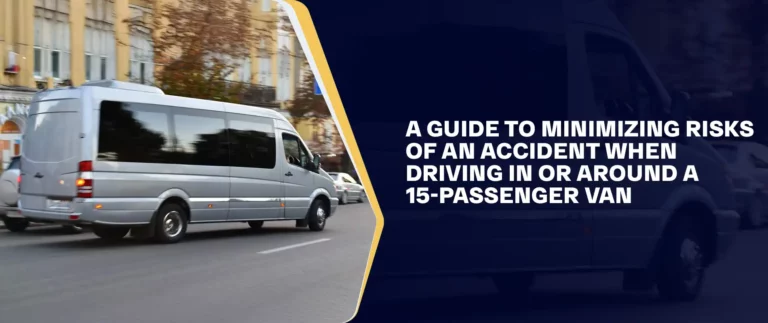
TL;DR: 15-passenger vans are prone to rollover accidents if overloaded or poorly maintained, especially with more than 5 occupants during highway travel. Poor tire pressure or lack of training raises the risk of severe injuries and can expose drivers or...
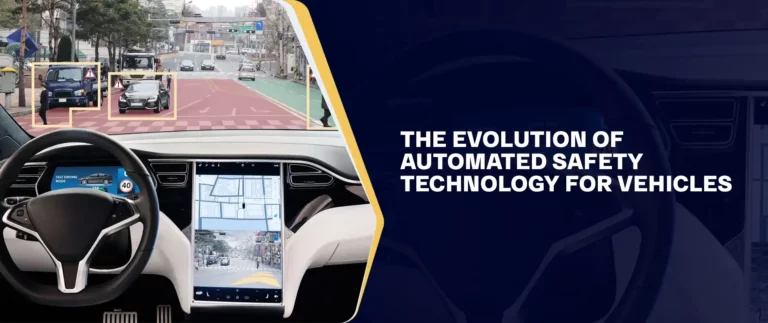
TL;DR: Automated Driving Systems reduce crashes by using sensors, cameras, and vehicle-to-vehicle communication to limit human error, but accidents still happen when drivers misuse the tech or systems fail. Injured drivers and passengers may face complex liability issues involving manufacturers...

TL;DR: Car accidents usually happen between 4 p.m. and 8 p.m., with higher fatal crash rates at night and on weekends. Drivers, passengers, and motorcyclists face greater injury risk due to traffic congestion, impaired driving, and poor visibility, and fault...
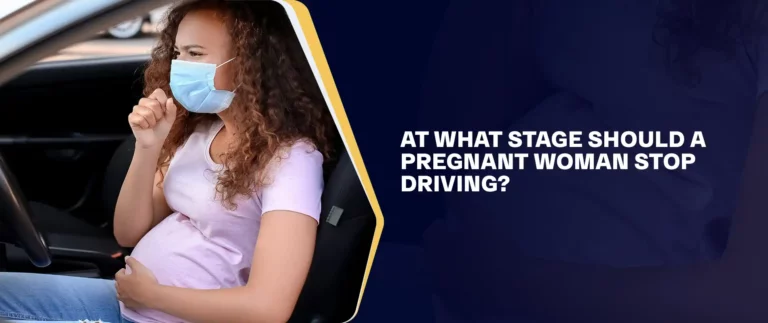
TL;DR: You can usually keep driving during pregnancy, but crash risk is highest in the second trimester due to fatigue, nausea, and reduced focus. Pregnant drivers and unborn babies face serious injury if a negligent driver causes a collision, and...

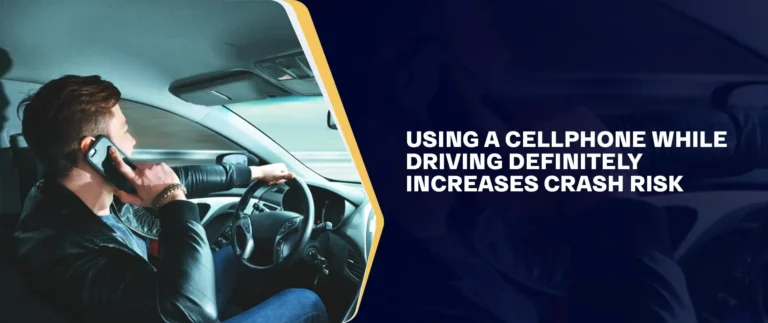
TL;DR: Using a cell phone while driving increases crash risk in California, especially when drivers text or manipulate it, raising collision risk 2 to 6 times. Distracted drivers can cause severe injuries to passengers or pedestrians, and phone use can...
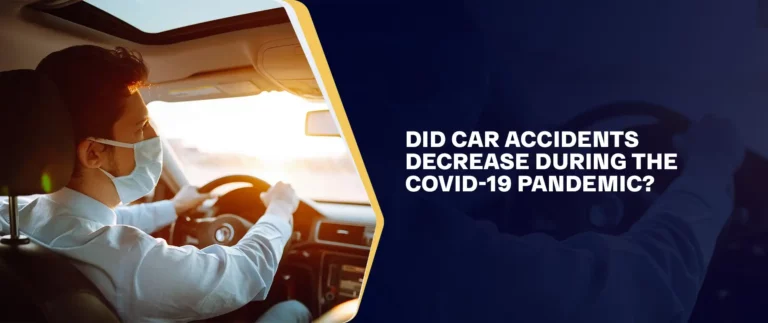
TL;DR: Car accidents decreased during COVID-19 in many areas because fewer people drove during lockdowns and traffic volumes fell nationwide. However, higher speeds caused more deadly crashes in some states, harming drivers and pedestrians as roads emptied especially in major...



TL;DR: The first step to finding out if someone has car insurance after a car accident is to call the police and file a crash report. Police require proof of insurance and create a report that documents injuries or damage...

TL;DR: Yes, tinnitus after a car accident is common and can support a personal injury claim if the crash caused it. Loud airbag deployment over 170 decibels, head trauma, or whiplash can damage the inner ear and lead to lasting...
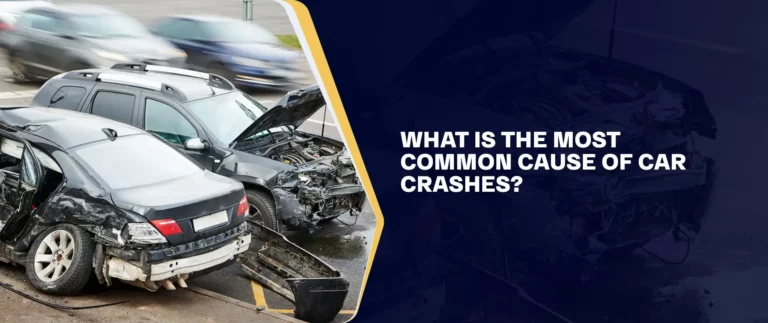
TL;DR: The most common causes of car accidents are speeding, impaired driving, and distracted driving, which lead to serious injuries and thousands of preventable deaths each year. Drivers and passengers face higher risk when reaction time, judgment, or safety restraints...

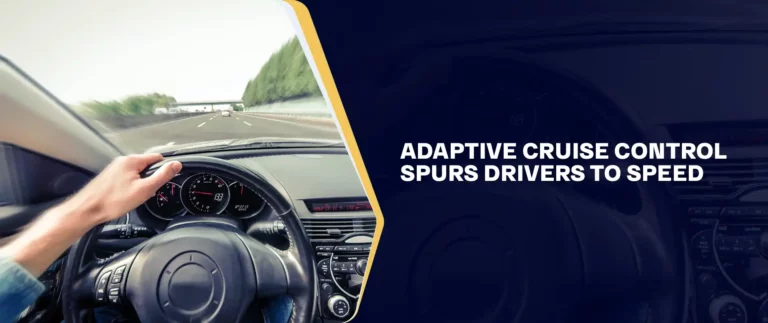
TL;DR: Curves on the road can limit adaptive cruise control and lane centering safety benefits because these systems often disengage or go unused on sharp turns. Drivers face higher crash risk on curves, and deactivation of these features can affect...

TL;DR: Speeding and drunk driving cause most fatal car accidents in California, and drivers who break these laws are usually liable for injuries or wrongful death. Victims and families can seek compensation when negligence leads to crashes, and quick action...

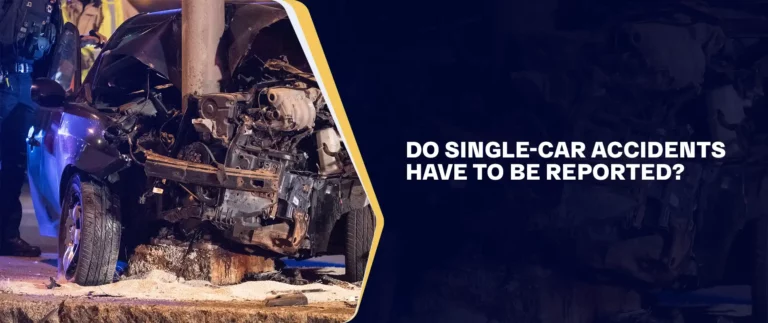
TL;DR: You must report a minor car accident in California if it causes injury or over $1,000 in property damage. Drivers involved in single-vehicle or small crashes face serious penalties and claim issues if they miss the 10-day DMV filing...

TL;DR: Car accidents can cause severe injury or death, and victims often have the right to compensation when another driver’s negligence, like drunk or distracted driving, caused the crash. Drivers, passengers, and teens face high risk, and delayed medical care...

TL;DR: Who is responsible for a car accident in California depends on fault, and the at-fault driver is liable. Injury victims can recover damages, but California’s comparative negligence reduces compensation by each driver’s share of blame and requires a DMV...
TL;DR: A police report is an official record an officer creates after a car accident that documents injuries, property damage, and what happened. In California car accidents, this report helps prove fault for injured drivers or passengers and must be...
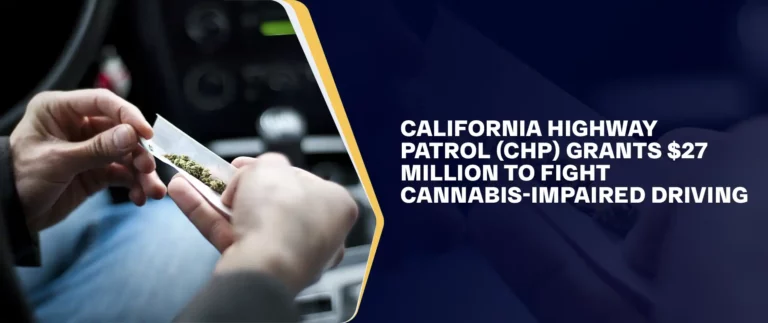
TL;DR: The California Highway Patrol granted $27 million to fight cannabis-impaired driving after data showed 42% of drivers killed in crashes tested positive for drugs. The funds support toxicology labs plus police training to speed evidence testing, increase DUI enforcement,...

TL;DR: The California Highway Patrol granted $27 million to fight cannabis-impaired driving after data showed 42% of drivers killed in crashes tested positive for drugs. The funds support toxicology labs plus police training to speed evidence testing, increase DUI enforcement,...

TL;DR: Your chances of getting in a car accident are high over a lifetime, with 36,000 deaths reported nationwide in recent years. Drivers, pedestrians and motorcyclists face injury when negligent behaviors like speeding or drunk driving cause crashes that leave...
Thank You, We’ll contact you shortly.